
Foamy Hot Tub Water: Why It Happens and How to Fix It
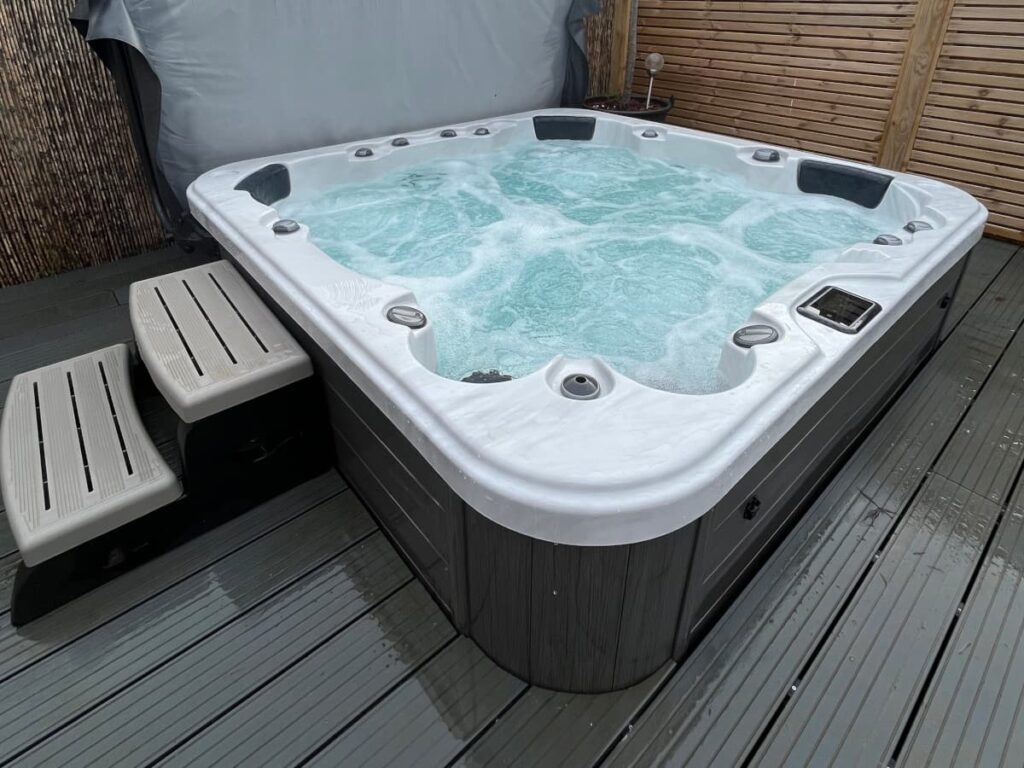
A small amount of bubbling is perfectly normal when a hot tub’s jets are operating. However, thick foam that remains on the surface after the jets have been switched off usually indicates a water-quality problem.
Foamy water is especially common during summer, when hot tubs tend to receive more frequent use. Sun cream, body oils, cosmetics and detergents can all accumulate in the water and eventually produce a layer of persistent foam.
Although the problem is often straightforward to correct, simply adding more chemicals is not always the answer. Identifying the cause will help you restore the water properly and prevent the foam from returning.
What is causing the foam in your hot tub?
Persistent foam usually develops when contaminants collect in the water. The jets then agitate these substances and turn them into bubbles.
Common causes include:
- Sun cream and moisturiser
- Body oils and sweat
- Make-up, deodorant and hair products
- Detergent left in swimwear
- Low calcium hardness
- Old or heavily used water
- An unbalanced pH
- Dirty filters
- Incorrectly applied water-care products
Foam can also become more noticeable when several people use the hot tub within a short period. Every bather adds a small amount of organic material to the water, increasing the demand on the sanitiser and filtration system.
The difference between normal bubbles and problematic foam
The bubbles created by hot tub jets should disappear relatively quickly after the jets are turned off.
Problematic foam tends to remain on the surface. It may form thick patches, collect around the edge of the hot tub or return each time the jets are activated.
The water may also appear cloudy or leave a greasy line around the shell. These signs suggest that contaminants have accumulated and the water requires attention.
Test the water before adding chemicals
Before attempting to treat the foam, test the hot tub water.
Check:
- The chlorine or bromine level
- The pH
- The total alkalinity
- Calcium hardness, where applicable
The correct ranges will depend on the treatment system and manufacturer’s guidance. Testing first prevents unnecessary chemical additions and helps identify whether an imbalance is contributing to the problem.
Low calcium hardness can make foam more likely because softer water allows bubbles to form and remain more easily. An incorrect pH may also reduce sanitiser effectiveness and make the overall water balance harder to manage.
Clean the filters thoroughly
Hot tub filters collect oils, dirt and fine particles from the water. When the filter becomes coated with contaminants, it cannot work effectively.
Remove the filters and rinse them carefully with clean water. If they are heavily soiled, use a specialist filter-cleaning product and follow its instructions.
Do not use washing-up liquid, laundry detergent or household cleaning products. Even a small amount of detergent left on the filter can create significant foam when it is returned to the hot tub.
If the filter remains discoloured, damaged or blocked after cleaning, it may need to be replaced.
Remove contaminants from the water
Where the chemical levels are otherwise correct, the water may need to be treated to break down the accumulated organic material.
An appropriate shock treatment can help oxidise sweat, oils and other contaminants. Use a product that is compatible with your hot tub’s sanitising system and follow the manufacturer’s dosage instructions.
Allow the water to circulate with the cover open for the recommended period. Test the water again before anyone uses the hot tub.
Avoid adding several products at once in the hope of achieving a faster result. Mixing incompatible chemicals or repeatedly dosing without testing can make the water harder to balance.
Does hot tub defoamer solve the problem?
A hot tub defoamer can reduce foam temporarily, but it does not remove the substances causing it.
Defoamer may be useful when a quick cosmetic improvement is needed, but it should not replace proper testing, filter cleaning and water treatment.
If the foam repeatedly returns, the underlying issue remains in the water. Continuing to add defoamer can mask the problem without resolving it.
Check swimwear for detergent residue
Laundry detergent and fabric conditioner are common but easily overlooked causes of hot tub foam.
Swimwear can retain small amounts of detergent after washing. Once the swimwear enters the hot tub, the detergent is released into the warm water and agitated by the jets.
Where possible, rinse swimwear thoroughly in clean water after washing. Some regular hot tub users keep separate swimwear that is rinsed without detergent.
Shower before using the hot tub
A quick shower before entering the water removes much of the sun cream, sweat, make-up and body oil that would otherwise enter the hot tub.
This simple habit can significantly reduce foam, waterline deposits and pressure on the sanitiser.
During summer, avoid applying sun cream immediately before using the hot tub where practical. When this cannot be avoided, shower thoroughly first.
When should you drain and refill the hot tub?
If the water is old, heavily contaminated or difficult to balance, treatment may provide only a temporary improvement.
Draining and refilling may be the most effective option when:
- Foam returns immediately after treatment
- The water remains cloudy
- The water has a stale or unusual smell
- Chemical readings are difficult to stabilise
- The hot tub has experienced heavy use
- The water has not been changed for an extended period
Before draining, consider using a suitable pipe-cleaning or flushing product. Contaminants and biofilm can collect inside the plumbing, where ordinary surface cleaning cannot reach them.
Always isolate the power and follow the manufacturer’s draining and refilling procedure.
How to prevent foamy water
The most effective solution is to reduce the amount of contamination entering the water.
- Encourage bathers to shower first
- Rinse swimwear thoroughly
- Keep the filters clean
- Test the water regularly
- Maintain the correct sanitiser level
- Clean the waterline before residue builds up
- Keep the hot tub covered when it is not in use
- Change the water when it becomes difficult to manage
These habits help the water remain clearer and reduce the amount of chemical correction required.
When to arrange professional help
Foamy water is often a maintenance issue, but recurring problems may indicate poor circulation, ineffective filtration or contamination inside the pipework.
Professional help may be appropriate if:
- Foam returns after draining and refilling
- The water is consistently difficult to balance
- The filters become dirty unusually quickly
- The circulation appears weak
- There is persistent slime or an unusual smell
- The hot tub displays flow or filtration errors
MG Hot Tubs can inspect the filtration and circulation system, assess the water condition and recommend the most appropriate treatment.
For hot tub servicing, repairs and water-care support across Sussex, Kent and the surrounding areas, contact MG Hot Tubs.


